
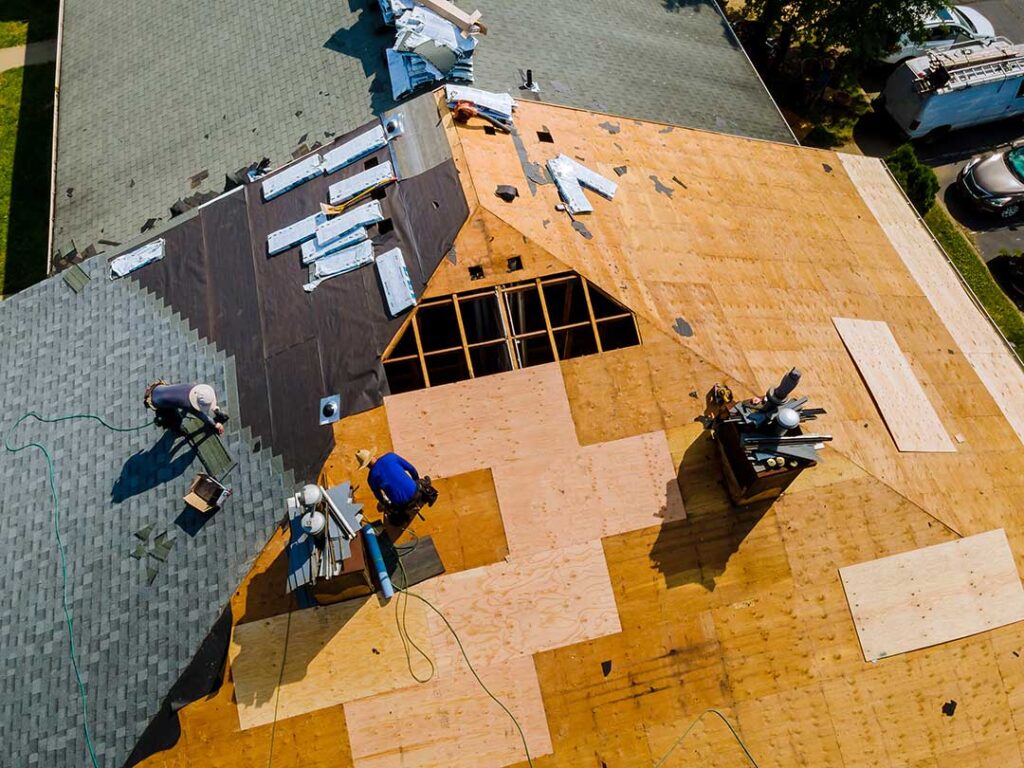
A roof does more than keep rain and snow out. Its condition, insulation, ventilation, color, and air sealing all influence how much energy a home uses throughout the year. In Morrisonville, NY, roofs must handle cold winters, snow, wind, ice, and warm summer sun, so energy performance depends on both the roof covering and the layers beneath it.
How does a roof affect energy efficiency?
A roof affects energy efficiency by controlling heat transfer between the living space and the outdoors. In winter, a well-designed roof assembly helps keep heated air inside. In summer, it limits the amount of solar heat entering the attic and upper floors.
The roof itself is only one part of that system. Energy performance also depends on:
- Attic insulation
- Air sealing around ceiling penetrations
- Roof ventilation
- Roof color and material
- Moisture control
- The condition of shingles, flashing, and underlayment
A roof with new shingles can still perform poorly if the attic has thin insulation, blocked ventilation, or numerous air leaks.
Why does attic insulation matter so much?
Attic insulation slows the movement of heat between the home and the attic. During winter, heat naturally rises toward the roof. Without enough insulation, that heat can pass through the ceiling, increasing heating demand and creating uneven indoor temperatures.
In summer, insulation helps prevent heat collected beneath the roof from moving into the rooms below. This can reduce the workload on air-conditioning equipment, especially in homes with finished upper floors or bedrooms directly under the roof.
Common signs of inadequate attic insulation include:
- Cold ceilings or rooms during winter
- Large temperature differences between floors
- High heating or cooling bills
- Snow melting unevenly across the roof
- Ice forming along the eaves
- An attic floor where ceiling joists are clearly visible above the insulation
Insulation should be distributed evenly, but it must not block soffit vents. Keeping insulation away from recessed lights, chimneys, flues, and other heat-producing components is also necessary unless those areas are specifically designed for insulation contact.
Can roof ventilation reduce heating and cooling costs?
Proper ventilation can help manage attic temperature and moisture, but it is not a substitute for insulation or air sealing. A balanced system generally allows outdoor air to enter near the lower roof edges and exit near the roof peak.
Ventilation may help:
- Release excess heat during summer
- Reduce moisture accumulation in winter
- Protect roof sheathing from damp conditions
- Limit the risk of mold and premature material deterioration
A common misconception is that more ventilation is always better. Poorly planned openings can allow wind-driven snow or rain into the attic, reduce the effectiveness of the ventilation pattern, or create pathways for conditioned air to escape. Ventilation works best when intake and exhaust openings are balanced and the ceiling plane below is properly air-sealed.
What causes ice dams, and are they an energy problem?
Ice dams form when heat escaping from the house warms the upper portion of the roof while the eaves remain cold. Snow melts higher on the roof, flows downward, and refreezes near the colder edges.
Ice dams are closely connected to energy performance because they often indicate heat loss through the ceiling or attic. They can also cause:
- Water backing up beneath shingles
- Stained ceilings or wall surfaces
- Damaged insulation
- Mold growth
- Deterioration of roof sheathing and framing
Not every roof with snow or icicles has an ice dam. The concern is a ridge of ice that prevents melting water from draining normally. Removing snow with unsafe tools or applying salt and chemicals can damage roofing materials and create hazards. Roof access during icy conditions should be treated cautiously.
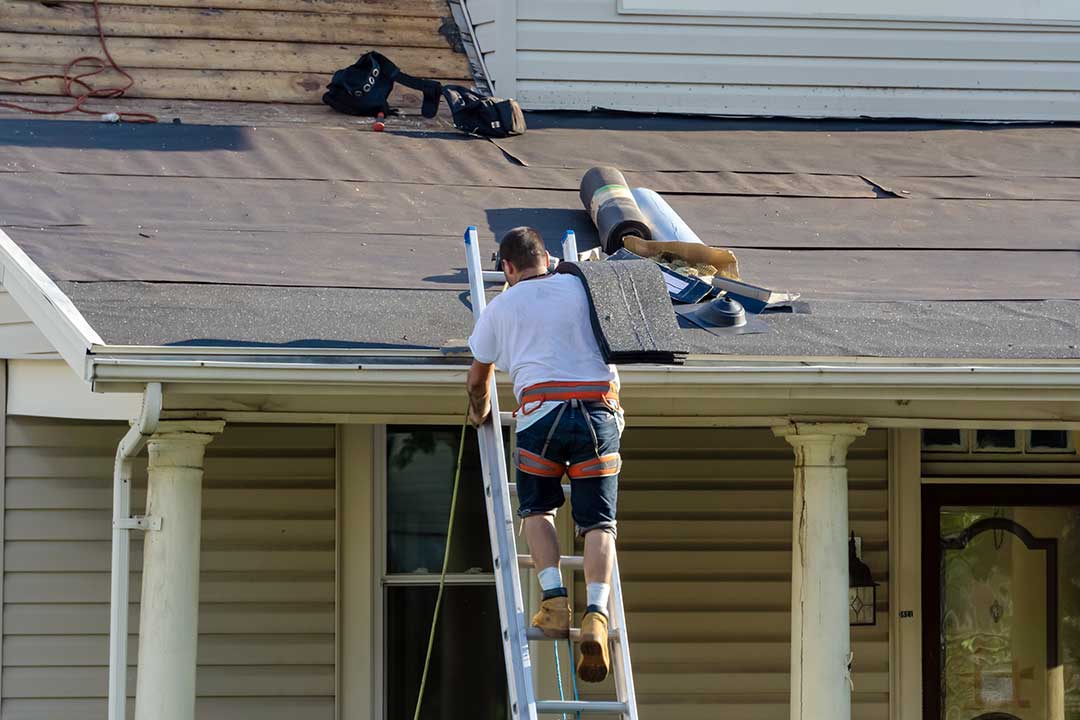
Improving insulation and air sealing is usually more effective than simply removing visible ice. However, existing leaks or active water entry may require prompt attention to prevent interior damage.
Does roof color affect home energy use?
Roof color can influence summer heat gain. Dark roofing materials generally absorb more solar radiation, while lighter surfaces reflect more sunlight. The difference is usually more noticeable in homes with low-slope roofs, limited attic insulation, or occupied rooms directly beneath the roof.
In a cold northern climate, roof color is only one factor among many. Winter heating demand, insulation levels, air leakage, window performance, and heating equipment usually have a greater effect on total annual energy use than shingle color alone.
A light-colored roof is not automatically the most efficient choice for every home. The roof assembly, attic design, durability, and resistance to snow and ice conditions should be considered together.
Do metal roofs make a home more energy efficient?
Metal roofing can support energy efficiency, but the material alone does not guarantee lower utility bills. A metal roof may reflect more sunlight than some dark roofing products, and its long service life can reduce the need for repeated replacement.
However, heat still moves through a metal roof if the attic lacks adequate insulation and air sealing. Metal roofing also does not eliminate ice dams. Snow, roof geometry, attic heat loss, and outdoor temperatures remain important factors.
The most useful question is not whether a particular roof material is automatically efficient. It is whether the complete roof system is designed to control heat, air, and moisture movement.
How can homeowners check for roof-related energy problems?
A basic inspection from inside the attic can reveal several warning signs. Look for damp insulation, darkened wood, frost, daylight around vents, and areas where insulation is missing or compressed.
From outside, uneven snow melt may suggest heat escaping through the roof. This sign is not definitive because sun, wind, roof orientation, and nearby trees also affect snow patterns.
Households can also compare comfort patterns:
- Does the top floor feel much warmer in summer?
- Are some rooms consistently colder in winter?
- Do bathroom or kitchen fans discharge into the attic?
- Are there drafts around ceiling fixtures or attic access panels?
- Does moisture appear on attic nails or roof sheathing?
Exhaust fans should discharge outdoors, not into the attic. The attic access panel should fit tightly and be insulated. Small openings around wiring, plumbing, ducts, and light fixtures can collectively cause substantial air leakage.
Which roof improvements usually provide the most value?
Energy improvements should begin with the largest sources of heat loss and moisture problems. In many homes, the practical order is:
1. Correct active leaks and water damage.
2. Seal major air leaks at the attic floor.
3. Improve insulation to an appropriate, consistent depth.
4. Confirm that soffit and ridge or roof vents are functioning properly.
5. Address unsafe or improperly installed heat-producing fixtures.
6. Consider roofing material, reflectivity, and replacement timing as part of a larger plan.
Adding insulation over an attic that has uncontrolled air leaks can trap moisture or leave major efficiency problems unresolved. Air sealing and insulation work together, but they are not interchangeable.
When should a roof or attic problem be treated as urgent?
Prompt attention is warranted when water is entering the living space, insulation is wet, roof sheathing is sagging, electrical components are exposed to moisture, or structural damage is visible. Heavy snow loads, fallen branches, and suspected damage around chimneys or roof penetrations also deserve caution.
Roof and attic work can involve fall hazards, electrical risks, confined spaces, mold, and combustion equipment. Conditions involving structural damage, active leaks, or unsafe access should not be handled casually.
For area households, energy efficiency is not simply a matter of choosing newer shingles. The strongest results usually come from treating the roof, attic insulation, ventilation, and moisture control as one connected system. A roof that keeps the home dry while limiting unwanted heat and air movement can improve comfort and help control energy use across both heating and cooling seasons.
