
What Roofing Materials Are Common in Morrisonville, NY?
Local households typically consider several main options when replacing or installing a residential roof. The most common materials in the area are asphalt shingles, metal panels, wood shakes, and slate. Each material offers unique advantages and drawbacks. This guide outlines how each type performs under local weather conditions, lifespan expectations, costs, and other key factors relevant to Morrisonville, NY.
How Does the Local Climate Affect Roofing Choices?
Morrisonville faces a mix of heavy snowfall, occasional ice storms, summer heat, and freeze-thaw cycles. Roofing materials must handle not just precipitation, but also shifts between cold winters and humid summers.
- Asphalt shingles are widely chosen for their reliability in snow and rain.
- Metal roofs shed snow quickly, reducing ice dam risks.
- Wood and slate options require extra maintenance due to possible moss growth and moisture troubles in such a climate.
Understanding how materials react to local weather is crucial for both roof durability and minimizing long-term costs.
What Are the Pros and Cons of Asphalt Shingles?
Short answer: Asphalt shingles are affordable and easy to install but have a moderate lifespan and can struggle with severe storms.
Pros:
- Most budget-friendly option for local homeowners.
- Installation is quick, causing minimal disruption.
- Available in various colors and styles.
- Repairs are simple and accessible.
Cons:
- Lifespan typically ranges from 15-25 years—which may be shorter in spots with heavy ice or sun exposure.
- Vulnerable to high winds and can lose granules with strong weather.
- Not the most sustainable option, as old shingles often end up in landfills.
Common misconception: Many assume asphalt shingles work for every roof pitch, but shallow slopes can struggle with leaks without extra underlayment or ice shields.
How Do Metal Roofs Perform in This Area?
Short answer: Metal roofs last a long time and shed snow well, but installation costs are higher and noise can be an issue without good insulation.
Pros:
- Can last 40-70 years, outpacing most other materials.
- Excellent at shedding snow—an asset during Morrisonville winters.
- Fire resistant and less prone to moss or mold.
- Reflects sunlight, potentially reducing summer cooling costs.
Cons:
- Higher upfront costs compared to asphalt.
- Can be noisy during rain or hail unless extra insulation is added.
- May dent from falling tree branches or large hailstones.
- Repairs and modifications often require professionals with specific expertise.
Overlooked factor: Some homeowners overlook potential for ice sliding suddenly off metal roofs. Snow guards or rails can help manage this risk.
What Should Residents Know About Wood Shake Roofing?
Short answer: Wood shakes create natural charm and good insulation, but require regular maintenance and can have issues with moisture and fire risk.
Pros:
- Distinctive “country” look fits well with the rural surroundings.
- Provides natural insulation—helping homes stay warmer in winter.
- Can be locally sourced and biodegradable.
Cons:
- High maintenance: Must be regularly treated to prevent rot, mold, and insect infestation, especially with Morrisonville’s humid summers.
- Shorter lifespan if not well cared for—typically 20-30 years.
- May not be fire-rated without special treatments.
- Insurance rates may be higher due to fire risk.
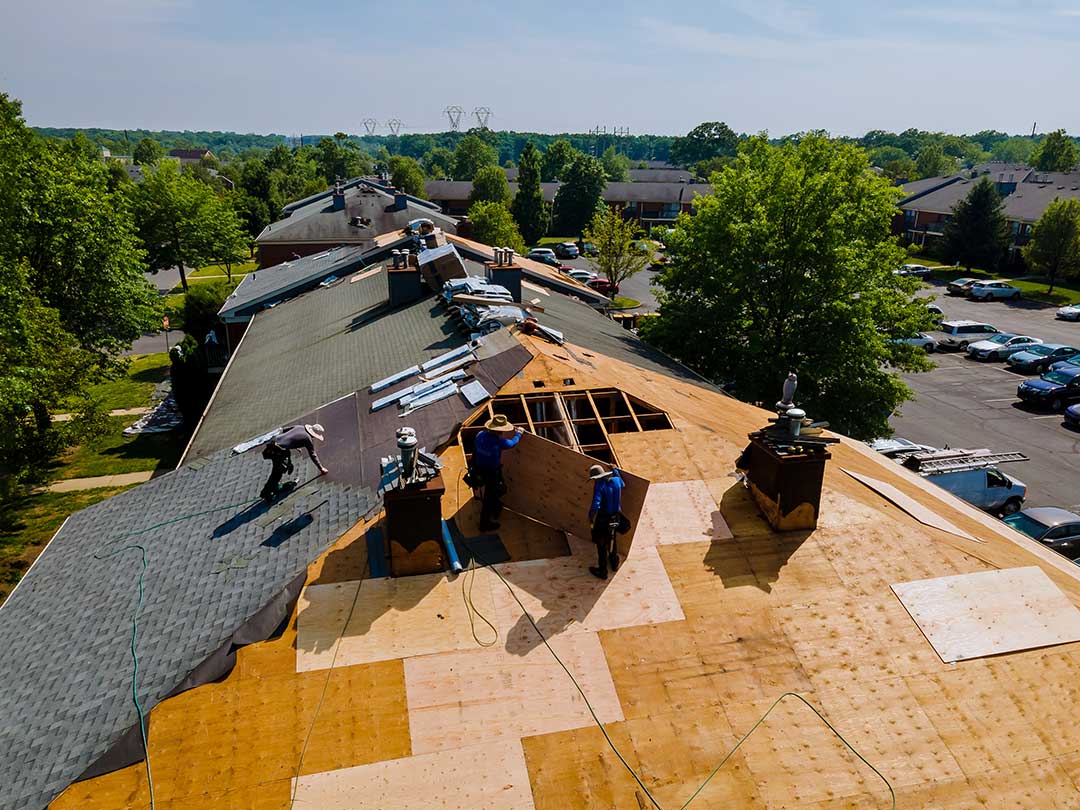
Practical example: A wooded property may see leaves and pine needles collecting on wood shakes, which increases risk of moss and moisture retention if not cleaned seasonally.
Why Might Some Homeowners Choose Slate Roofs?
Short answer: Slate is durable and beautiful, but it’s also heavy, expensive, and may not be suitable for all local home structures.
Pros:
- Exceptional durability—50-100 years or more if properly maintained.
- Naturally fire-resistant.
- Unique appearance, often seen on historic or higher-end homes in the area.
Cons:
- Installation requires reinforced support due to heavy weight.
- Highest upfront cost of all common materials.
- Specialized repairs are costly and require experienced slate installers.
- Not all homes can physically support slate without additional structural work.
Common misconception: Some residents believe slate is always the best long-term investment. However, up-front costs and compatibility with a home’s framing make it impractical for many.
What Other Factors Should Local Residents Consider?
Homeowners in Morrisonville should factor in:
- Local snow load requirements: Heavier materials like slate need sturdy framing. Local regulations or home age may affect options.
- HOA or architectural guidelines: Some developments may restrict roofing material choices.
- Environmental priorities: Recyclability and ecological impact differ; metal and wood can be more sustainable than asphalt.
- Maintenance time: Durable materials may require less frequent, but more specialized, upkeep.
Careful planning pays off, especially when factoring in potential for ice dams, rapid snow melt, and lengthy winters common across the city.
Do Roofing Materials Affect Home Energy Use?
Yes, roofing choice can impact insulation, ventilation, and consequently, home heating and cooling bills:
- Metal and reflective shingles help deflect the summer sun.
- Properly vented attic spaces with any roof reduce ice dam formation.
- Wood has natural insulating properties, but needs an underlayment to prevent leaks.
These small differences may affect annual energy expenses, especially in older homes with less insulation.
Are There Misconceptions About Longevity and Upkeep?
Many residents may believe “lifetime” roofing needs no future repairs. All roofs, even the longest-lasting types, need inspection after storms and routine maintenance. Local weather—like ice storms or wind-driven debris—can shorten the lifespan of even the best materials if upkeep is neglected.
Regular checks, gutter cleaning, and prompt attention to minor leaks go a long way toward extending the roof’s useful life, regardless of material.
