
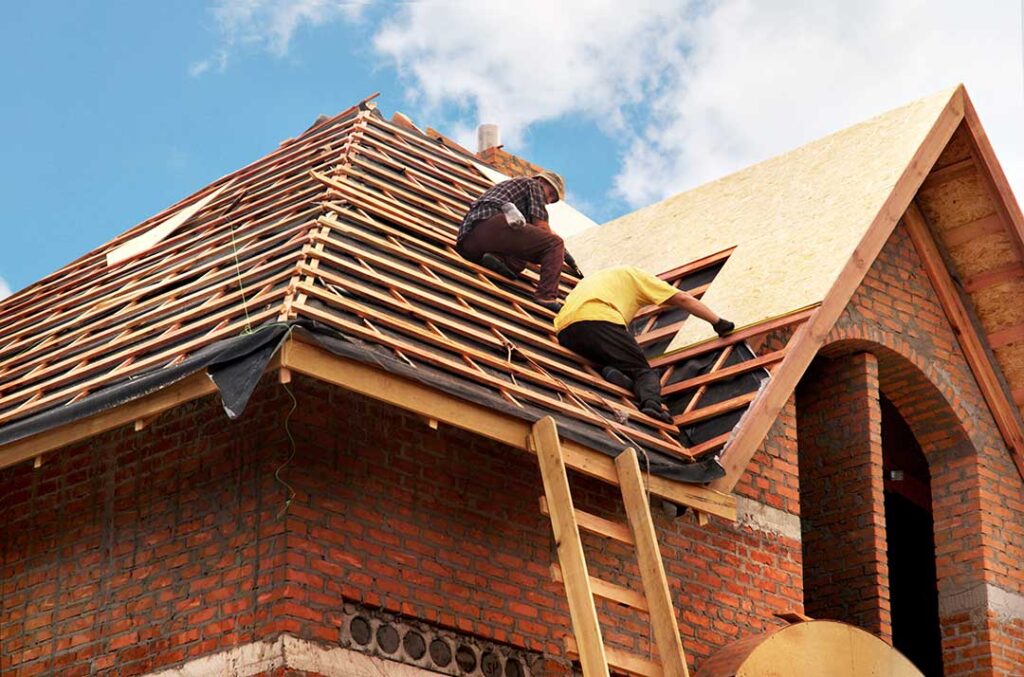
Why does roof ventilation matter?
In Morrisonville, NY, proper roof ventilation helps control heat and moisture in the attic. A balanced system allows warm, damp air to leave near the roof peak while cooler outdoor air enters through lower intake openings, usually at the eaves or soffits.
This airflow does not make an attic cold in every season, and it does not replace insulation. Its purpose is to reduce the buildup of heat and moisture that can damage roofing materials, wood framing, insulation, and indoor comfort.
A roof can appear sound from the ground while ventilation problems develop out of sight. For that reason, attic airflow is part of the roof system rather than an optional accessory.
What happens when an attic does not ventilate properly?
Poor ventilation commonly creates two separate problems: excessive summer heat and trapped moisture during colder weather.
During summer, sunlight can raise attic temperatures well above the outdoor temperature. That heat may:
- Increase heat transfer into upper rooms
- Make air-conditioning systems work harder
- Accelerate aging of some roofing materials
- Cause roof sheathing and framing to expand and contract repeatedly
Moisture is often the more serious concern. Warm indoor air naturally rises. If it enters the attic through gaps around light fixtures, plumbing pipes, attic hatches, ductwork, or electrical penetrations, it can condense on colder surfaces.
Over time, trapped moisture may contribute to:
- Damp or compressed insulation
- Mold and mildew growth
- Rust on metal fasteners
- Rot in roof sheathing or framing
- Peeling paint or staining on ceilings
- Musty odors
- Frost accumulation in winter
Cold-climate homes are especially vulnerable because the temperature difference between heated indoor air and the roof surface can be substantial.
How does ventilation work in a typical roof?
A properly ventilated attic usually needs both intake and exhaust ventilation. Intake openings bring in outdoor air at the lower part of the roof. Exhaust openings allow warmer, moist air to escape near the upper part.
Common components include:
- Soffit or eave vents for intake
- Ridge vents for continuous high-point exhaust
- Gable vents on some roof designs
- Static roof vents
- Powered exhaust fans in limited applications
The exact arrangement depends on the roof shape, attic layout, insulation design, and existing openings. Simply adding an exhaust vent does not guarantee better airflow. If there is not enough intake air, an exhaust fan may pull air from unintended locations, including gaps between the living space and attic.
A balanced system is generally more effective than a collection of vents added without considering how air moves through the entire attic.
Does insulation replace roof ventilation?
No. Insulation and ventilation perform different jobs.
Insulation slows heat transfer between the home and the attic. Ventilation helps move heat and moisture through the attic space. Both are needed, but they must be installed in a way that does not block each other.
A common problem occurs when insulation is pushed into the soffit area. This can cover intake openings and prevent outdoor air from entering. Properly placed air channels, sometimes called ventilation baffles, help preserve a clear path from the soffits into the attic.
Adding more insulation without checking ventilation may hide moisture problems rather than solve them. In some homes, air sealing at the attic floor is also necessary to reduce the movement of warm indoor air into the attic.
What should homeowners look for during a basic inspection?
A visual attic check can reveal warning signs, although it should be performed only when the area can be accessed safely. Avoid stepping between ceiling joists or walking on surfaces that are not designed to support body weight.
Useful observations include:
- Dark staining or water marks on roof sheathing
- Frost on nails or roof decking during cold weather
- Wet, flattened, or discolored insulation
- Blocked soffit vents
- Gaps around attic penetrations
- Mold-like discoloration or persistent odors
- Daylight entering through unintended openings
- Bathroom or kitchen exhaust ducts discharging into the attic
Bathroom exhaust fans should vent outdoors through an appropriate termination point, not into the attic. Moisture from showers can add a surprising amount of water vapor to an enclosed space.
Roof leaks can produce some of the same symptoms as condensation. Staining near one area may suggest a leak, while widespread frost or moisture on multiple surfaces may point toward an attic humidity or ventilation issue. The two problems can also occur together.
Is more ventilation always better?
No. Excessive or poorly located ventilation can create new problems.
For example, a powerful exhaust fan without adequate intake openings may depressurize the attic and draw conditioned air from the living space. Openings that are not properly protected can also allow wind-driven snow, rain, insects, or small animals to enter.
Ventilation must also be coordinated with the roof’s air-sealing and insulation details. In homes with cathedral ceilings or finished attic rooms, the ventilation pathway may be narrow or interrupted. Those roofs require a different evaluation than a conventional open attic.
The goal is not to install the largest number of vents. The goal is to create a deliberate, unobstructed airflow path appropriate for the roof design.
How do Morrisonville winters affect attic ventilation?
Cold, snowy winters increase the importance of moisture control and consistent attic conditions. Warm air escaping from the living space can condense on cold roof components or freeze into frost. When temperatures rise, that frost may melt and resemble a roof leak.
Snow and ice can also temporarily cover or restrict some roof-level openings. This does not mean ventilation is unhelpful; it means the system must be designed and maintained with winter conditions in mind.
Large temperature differences between the heated interior and the roof can also contribute to uneven melting. If warm areas of the roof cause snow to melt and refreeze near colder eaves, ice buildup may result. Ventilation alone does not prevent every ice-related problem, but reducing attic heat and improving insulation and air sealing can help limit the conditions that support it.
What maintenance supports healthy roof airflow?
Ventilation openings should be checked periodically, especially after roofing work, insulation projects, pest activity, or severe weather.
Helpful maintenance includes:
- Keeping soffit openings clear of insulation and debris
- Checking that exhaust ducts remain connected and directed outdoors
- Inspecting attic insulation for dampness or displacement
- Looking for blocked or damaged vent covers
- Keeping attic access panels reasonably air-sealed
- Watching for recurring ceiling stains, frost, or musty odors
Any inspection involving steep roofs, unstable attic flooring, electrical equipment, pests, or suspected structural damage can be hazardous. Those conditions require appropriate safety measures and, when necessary, qualified assistance.
Proper roof ventilation is not visible from the street alone. It depends on the relationship among intake openings, exhaust openings, insulation, air sealing, roof design, and indoor humidity. Understanding that relationship helps local homeowners recognize early warning signs and protect the roof system through Morrisonville’s warm summers, cold winters, and changing seasonal conditions.
