
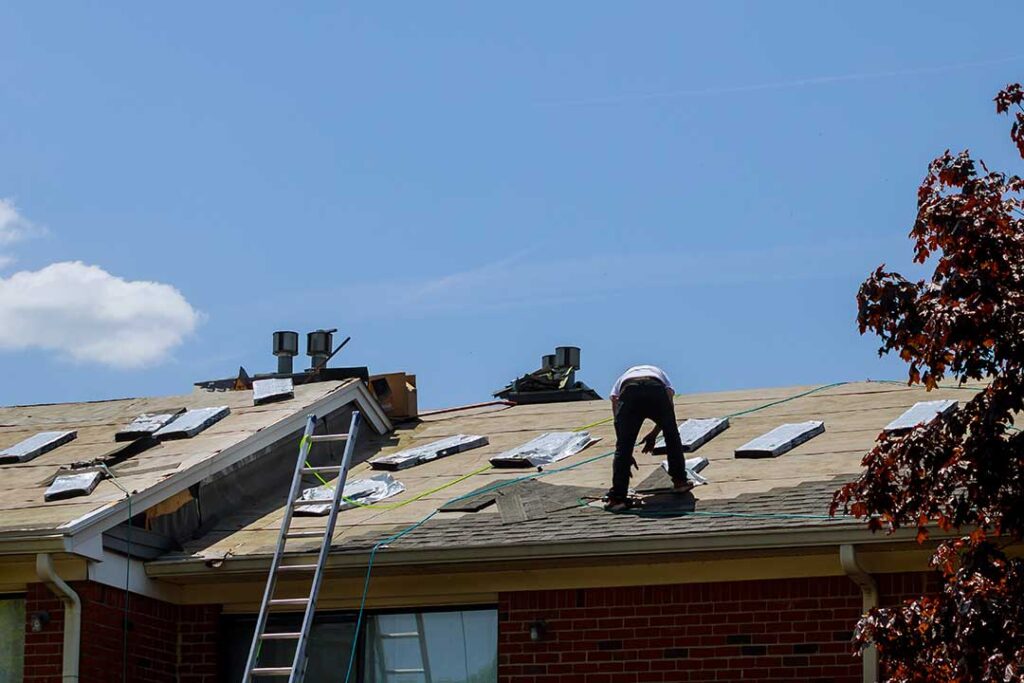
A professional roof inspection is a careful review of the roof system, attic, drainage areas, and visible signs of water entry. The purpose is to document the roof’s current condition, identify developing problems, and explain which findings require attention now versus later.
For homeowners in Morrisonville, NY, inspections can be especially useful after winter weather, ice buildup, strong winds, heavy rain, or repeated freeze-thaw cycles. A roof may appear intact from the ground while still having damaged flashing, hidden moisture, or weakened materials.
Why would a roof inspection be needed?
A roof inspection can help answer whether a roof is functioning properly, how much useful service life may remain, and whether a repair is more reasonable than replacement. It may also be requested during a home purchase, after storm damage, before selling a property, or when ceiling stains and drafts appear.
Common reasons for an inspection include:
- Missing, lifted, cracked, or curled shingles
- Water stains on ceilings or attic framing
- Ice dam history or winter leaks
- Granules collecting in gutters
- Sagging roof lines
- Damaged chimney, vent, skylight, or pipe flashing
- Uncertainty about the roof’s age or previous repairs
- Recent wind, hail, or fallen-branch damage
An inspection is different from a quick visual check. It should consider how separate parts of the roof work together, including the roof covering, underlayment, flashing, ventilation, drainage, and structural supports.
What happens before the inspection begins?
The inspector will usually ask about the roof’s history and any symptoms noticed inside the home. Useful information may include the approximate installation date, previous leaks, past repairs, storm events, and whether certain rooms become damp during particular seasons.
Homeowners may also be asked to point out:
- Ceiling discoloration or peeling paint
- Musty odors
- Attic condensation
- Rooms that feel unusually cold or drafty
- Water appearing near windows, chimneys, or exterior walls
- Gutter overflow during rain
This background matters because roof leaks do not always appear directly below the damaged area. Water can travel along rafters, sheathing, insulation, or wall cavities before becoming visible indoors.
Will the inspector walk on the roof?
Sometimes, but not always. A safe inspection may involve walking on sections of the roof when the slope, surface condition, weather, and access allow it. Steep, icy, wet, fragile, or heavily deteriorated roofs may be reviewed from ladders, roof edges, nearby elevations, binoculars, or camera equipment instead.
Safety limits are part of a competent inspection. An inspector should not walk on a roof simply to make the inspection appear more thorough. Damaged shingles, hidden rot, frost, snow, and unstable surfaces can create serious fall and structural hazards.
The inspection may also include ground-level views of roof planes, eaves, valleys, dormers, chimneys, and drainage paths. These observations can reveal displaced materials, uneven roof lines, exposed fasteners, and areas where water may collect.
Which parts of the roof are examined?
A roof inspection typically covers more than shingles. The inspector will look at the visible condition and relationship of several components.
Roof covering
Shingles, metal panels, slate, or other roofing materials are checked for aging, cracks, curling, blistering, loose sections, exposed fasteners, missing pieces, and uneven wear. On shingle roofs, excessive granule loss may indicate surface deterioration.
Flashing and penetrations
Flashing protects areas where the roof meets a chimney, wall, skylight, dormer, vent, or plumbing pipe. Loose, corroded, improperly layered, or cracked flashing is a common source of localized leaks.
Valleys and roof edges
Valleys collect water and debris, making them vulnerable to wear and leakage. Edges are checked for lifted materials, damaged drip edges, exposed underlayment, and signs that wind has affected the roof perimeter.
Gutters and downspouts
Drainage components are examined for sagging, blockage, loose connections, rust, and poor discharge locations. A sound roof can still experience water problems if gutters overflow against fascia boards or foundation walls.
Attic and interior areas
If access is available, the attic may be reviewed for wet or stained wood, mold-like growth, compressed insulation, daylight through the roof deck, rusted fasteners, and inadequate or blocked ventilation. Interior ceilings and upper walls may also be checked for patterns consistent with moisture entry.
How does Morrisonville’s climate affect the inspection?
Seasonal weather can influence both roof wear and the timing of an inspection. In Morrisonville, snow, ice, wind, rain, and repeated temperature changes can place stress on roofing materials and drainage systems.
Freeze-thaw cycles may enlarge small cracks or loosen materials that were already weakened. Snow and ice can conceal roof conditions, while meltwater may expose problems around valleys, eaves, chimneys, and areas with limited sunlight. Wind can lift edges or disturb flashing even when no large section of roofing is missing.
A roof inspection after winter does not only look for dramatic storm damage. It also considers gradual effects such as:
- Damp attic insulation
- Icicle-related edge damage
- Blocked or overflowing gutters
- Ventilation problems
- Small openings around flashing
- Shingle granule loss
- Repeated moisture stains

The exact findings depend on the roof’s design, age, materials, maintenance history, nearby trees, and exposure to wind and shade.
What will the inspection report include?
A useful report should explain observed conditions in plain language and distinguish between urgent defects, maintenance concerns, and normal aging. Photographs are often included to show the location and severity of findings.
The report may address:
- General roof condition
- Areas that could not be accessed
- Estimated remaining service life, if it can be reasonably assessed
- Active or suspected leakage
- Flashing and ventilation concerns
- Gutter and drainage conditions
- Signs of structural movement or deterioration
- Recommended monitoring or repairs
- Safety concerns requiring prompt attention
Remaining service life is an estimate, not a guarantee. A roof can have older materials that remain functional, while a newer roof can have isolated damage caused by installation defects, weather, or poor drainage.
Which findings require prompt attention?
Active leaks, exposed roof decking, major sagging, loose sections over entrances, damaged electrical components, and severe structural deterioration should be treated as higher-priority concerns. Water entering the attic can damage insulation, framing, ceilings, and interior finishes even when the visible stain is small.
Less urgent findings may include minor granule loss, isolated aging, small areas of surface wear, or gutters that need cleaning before the next heavy rain. The report should explain whether a condition is a safety issue, a leak risk, a maintenance matter, or simply evidence of normal age.
A common misconception is that every inspection leads to a recommendation for complete replacement. In practice, the appropriate response may be cleaning, improved drainage, localized flashing work, replacement of a few damaged materials, better attic ventilation, monitoring, or broader repairs. The correct choice depends on the extent and pattern of the problem.
What should homeowners ask after the inspection?
Clear follow-up questions can make the report easier to use. Homeowners may want to ask:
- Which findings are active problems rather than cosmetic concerns?
- Is there evidence of current moisture, or only past staining?
- What areas could not be inspected safely?
- Does the issue involve the roof covering, flashing, drainage, ventilation, or structure?
- What should be addressed before the next winter?
- Which conditions can be monitored?
- Is additional evaluation needed for attic moisture or structural damage?
Keeping the report and photographs with other home maintenance records can help track changes over time. Reinspection may be useful after significant weather, visible changes, or repairs, particularly when the original inspection identified conditions that required monitoring.
